
If you’ve ever stretched out, stood up too quickly, or had a good manual adjustment, you’ve likely heard that familiar “crack” or “pop” in your joints. It’s a sensation that brings relief to some, concern to others, and a whole set of myths and questions—especially among the active community here in Brookhaven, New York. Many of us enjoy activities from hiking in Wertheim National Wildlife Refuge to early morning jogs along the Patchogue River, and after a day of activity, those joint noises are common. But what’s really behind this phenomenon? Is it safe, beneficial, or potentially harmful? Let’s explore the truth about cracking joints and what it means for you.
What Causes Your Joints to Crack?
The sound you hear when your joints “crack” isn’t your bones grinding. The most common explanation is a process called “cavitation.” Here’s how it works:
- Joints are surrounded by a capsule filled with synovial fluid, which lubricates and nourishes them.
- Moving or stretching the joint creates a change in pressure within the capsule.
- This pressure change allows dissolved gasses in the synovial fluid (mainly nitrogen) to form bubbles.
- When these bubbles rapidly collapse or “pop,” you hear that crack.
- This is why you might notice your knuckles, knees, neck, or back crack after periods of inactivity, like a long commute on Sunrise Highway or after a morning spent kayaking at Corey Creek.
Does Cracking Your Joints Cause Arthritis?
One of the biggest misconceptions about joint cracking is that it leads to arthritis. Research and long-term studies have shown that habitual joint cracking does NOT cause arthritis. One famous study even had a subject crack the knuckles of one hand for over 60 years while leaving the other hand alone—there was no difference in arthritis rates.
However, joint cracking is not entirely risk-free:
- If joint cracking is accompanied by pain, swelling, or loss of movement, it may indicate an underlying injury or condition needing evaluation.
- Less commonly, repeated self-manipulation may irritate soft tissues.
For most Brookhaven residents, the act of cracking joints is harmless if not accompanied by discomfort or other symptoms.
When Should You Be Concerned About Joint Cracking?
In the active lifestyle of Brookhaven—whether you’re heading to Bellport Bay for boating or tending to your community garden in Shirley—joint noises are usually benign. But you should pay attention if you experience:
- Persistent pain after joint cracking
- Swelling, redness, or warmth in the area
- Sudden changes in mobility or function
- History of trauma or injury to that joint
These symptoms could suggest something more serious, like ligament problems, torn cartilage, or even early osteoarthritis. If in doubt, a chiropractic evaluation in Brookhaven is a wise step to get a thorough assessment and safe guidance.
Is It Safe to Crack Your Own Joints?
Many people enjoy the feeling of relief from self-cracking, particularly after sitting at a desk all day in Brookhaven’s bustling business district or after a busy afternoon volunteering in community programs. Here are some important guidelines:
- Gentle movement is generally safe, but never force a joint past its normal range.
- Avoid high-velocity or aggressive twisting—leave that to professionals.
- If you’re experiencing stiffness, try gentle stretching or controlled exercise instead of repeated self-manipulation.
A chiropractor can safely mobilize your joints and provide advice on home exercises suited to your activity level, age, and goals.
Why Do Chiropractors Crack Joints?
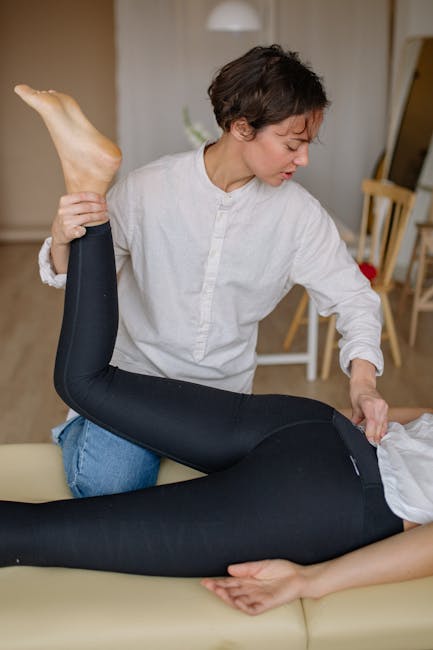
Chiropractors often use controlled, precise adjustments to restore joint motion and alleviate discomfort. The “cracking” sound you sometimes hear during an adjustment is the same cavitation process—not bones “popping out” or “back in.”
Benefits of professionally delivered joint adjustments may include:
- Reduced muscle tension and improved joint mobility
- Temporary relief from certain types of pain
- Improved flexibility and movement patterns for Brookhaven’s active residents
It’s not the sound itself that’s therapeutic, but the restoration of normal joint function and alignment that provides benefit. The noise is just a side effect.
Can You Prevent Joint Popping?
Most joint noises cannot be entirely prevented, as they are a normal part of movement and aging—especially for those leading active lives in Brookhaven. However, to care for your joints:
- Warm up before physical activity, especially before playing local sports or hiking
- Incorporate stretching and strength exercises into your routine
- Maintain healthy hydration and a balanced diet to support joint health
- Practice good posture at work and during leisure activities
- See a licensed chiropractor for regular check-ups if you have any ongoing concerns
Frequently Asked Questions About Cracking Joints
Does joint cracking weaken my joints over time?
No evidence exists that joint cracking, in itself, weakens or damages healthy joints.
Why do my knees crack during squats at the gym?
Knee cracking during movement is often due to harmless cavitation or the movement of tendons over bone. However, pain or swelling warrants professional review.
Is it better to see a chiropractor for cracking joints?
If you have any concerns, discomfort, or limitations in your activity—such as gardening upkeep, local sports, or daily chores—it’s smart to consult a qualified chiropractor in Brookhaven for tailored advice.
Conclusion: Embrace Movement, Stay Informed
Living in Brookhaven, NY, means being part of a vibrant, active community. Cracking joints are a normal part of many people’s lives and rarely a cause for concern. Remember:
- The sound is not bones breaking—it’s simple joint cavitation.
- Cracking your joints won’t cause arthritis.
- See a chiropractor or medical provider if you notice pain, swelling, or difficulty moving.
Stay informed, keep moving, and enjoy all that Brookhaven has to offer. Your joints—and your health—will thank you!
