
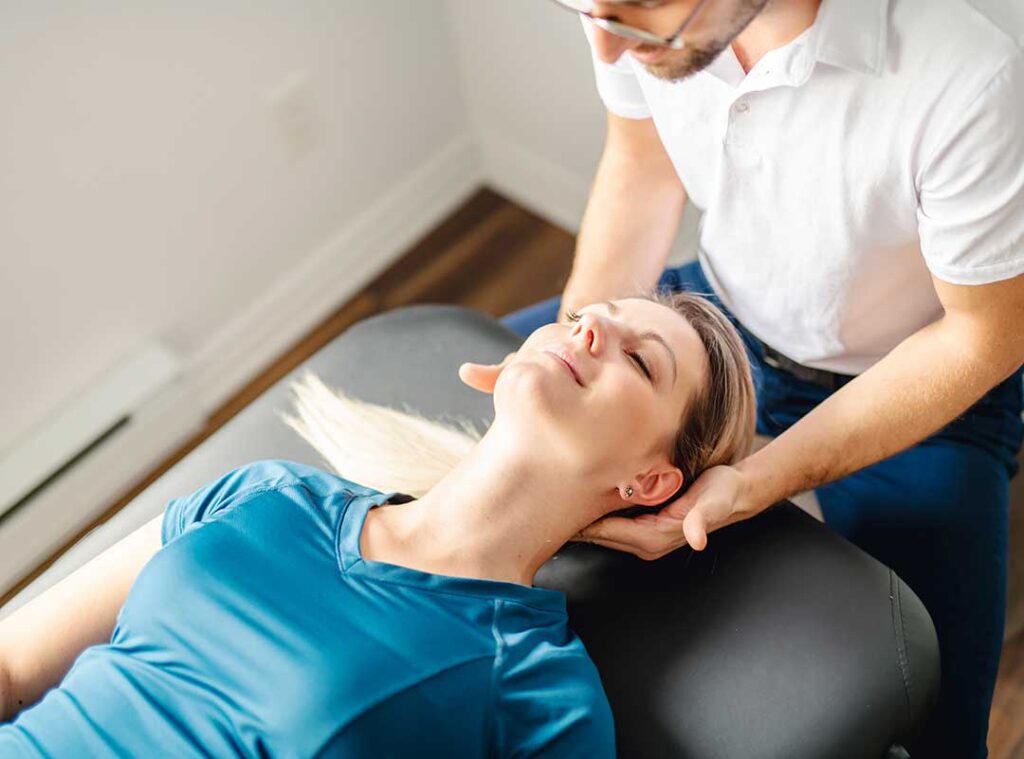
Is Soreness After a Chiropractic Adjustment Common?
Most people in Brookhaven experience some mild soreness after a chiropractic adjustment, especially if it’s their first visit or if they haven’t been treated in a while. This sensitivity is typically similar to what you might feel after a new workout at the gym. For local residents unaccustomed to chiropractic care, this sensation can be surprising, but it usually isn’t a sign of anything troubling.
Soreness tends to appear within the first 24 hours and lasts anywhere from a few hours to a few days. The body is adapting to changes in joint movement and alignment, which can momentarily stress muscles, tendons, or ligaments that haven’t been used in that new way before.
Why Does Soreness Happen After an Adjustment?
Chiropractic adjustments often involve moving joints—especially in the spine—into positions they’ve shifted away from over time. Even subtle adjustments can stretch soft tissues that have adapted to restricted posture or motion.
Locally, Brookhaven residents who spend long hours driving, gardening, or working at computers sometimes have stiffer joints or muscle tightness, making these tissues more likely to react with post-adjustment soreness.
Common reasons you might feel sore include:
- Muscles responding to a new range of motion
- Inflamed or irritated tissues from chronic strain or previous injury
- The body starting to repair alignment-related stress
Unlike sharp or worsening pain, mild soreness generally eases with gentle activity and time.
What Does Normal Post-Adjustment Soreness Feel Like?
Typical soreness may feel like:
- Mild aching or tenderness around the muscles and joints that were adjusted
- Stiffness similar to what’s felt after moderate exercise or yardwork
- Occasional dull headaches if the neck or upper back was treated
It does not usually include sharp, shooting, or escalating pain. Residents who get regular chiropractic care in the area often notice that this soreness fades as the body acclimates to treatment.
How Can Local Residents Ease Soreness at Home?
For most people in Brookhaven, symptoms are manageable with simple home remedies that fit into everyday routines. Some practical tips include:
- Applying a cold pack for 10-15 minutes to reduce swelling, especially right after treatment
- Alternating with gentle heat (such as a warm towel) after the first day, if stiffness lingers
- Staying lightly active to promote circulation—short walks or stretching can help
- Drinking water to assist with muscle recovery, especially in drier indoor environments during local winters
- Avoiding intense exercise or heavy lifting for a day or two if discomfort is present
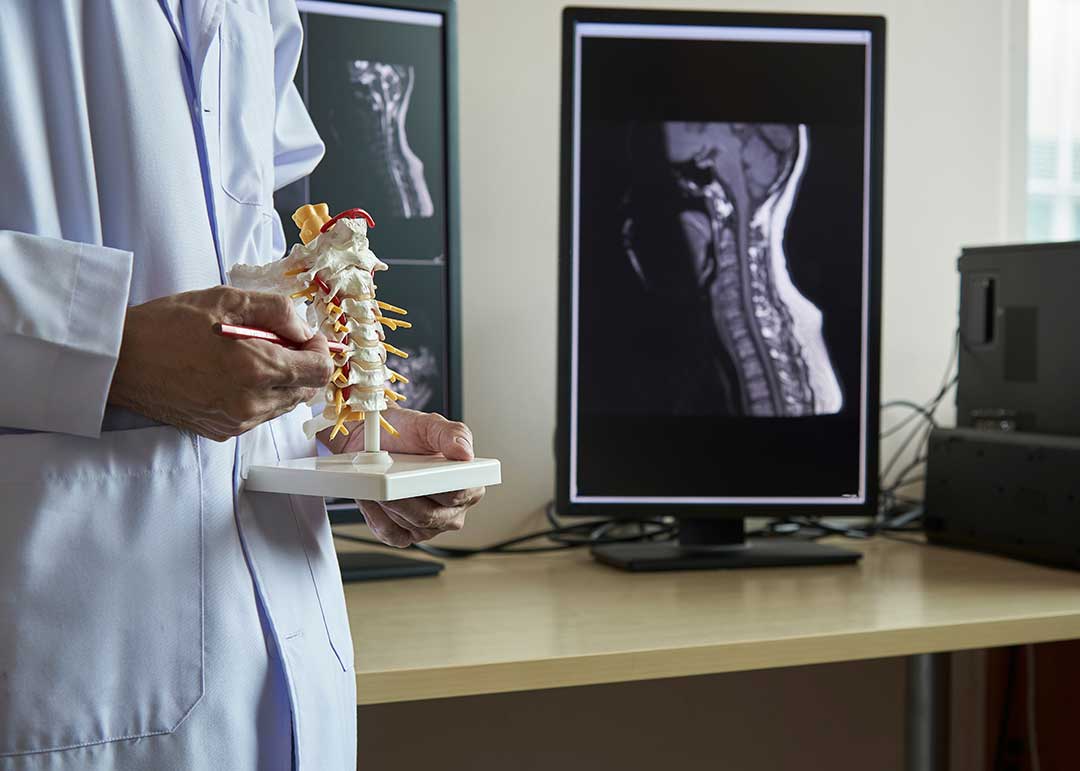
Residents living in more rural parts of Brookhaven may spend hours on outdoor work, while those commuting frequently or working from home may spend more time seated. Both types of activity can influence how the body responds after an adjustment. Adjust self-care strategies as needed for your daily habits.
When Is Post-Adjustment Soreness Not Normal?
Although mild soreness is common, certain symptoms deserve attention:
- Pain that worsens or becomes severe rather than improving
- Numbness, tingling, or weakness in the arms or legs
- Swelling, redness, or warmth at the adjustment site
- Headaches that do not subside or become intense
Most people in the community will only ever experience temporary, mild discomfort. However, if any of these less common symptoms occur—especially if accompanied by changes to bladder, bowel, or limb function—medical evaluation may be needed to rule out rare complications.
Does Soreness Mean the Adjustment Didn’t Work?
It’s a common misconception in Brookhaven households that soreness means a treatment “didn’t take” or was somehow done incorrectly. In reality, most post-adjustment stiffness reflects the body adapting to better alignment, not a setback.
Over a series of sessions, the body typically becomes more flexible and treatment leads to fewer aftereffects. Some individuals—especially older adults or those with chronic inflammation—may have more noticeable reactions, but that doesn’t indicate a problem with care or lack of benefit.
How Does Local Climate or Lifestyle Affect Soreness?
People living in Brookhaven often experience pronounced seasonal changes, with cold, damp winters and humid summers influencing muscle tension. It’s not unusual for residents to notice more stiffness in colder months, which can also affect post-adjustment recovery.
Individuals working physically demanding jobs, managing large properties, or spending long hours indoors with limited movement might experience a greater degree of early soreness until regular adjustments help improve flexibility.
Should You Worry About Post-Adjustment Soreness?
For the majority of Brookhaven’s residents, mild soreness after an adjustment is considered a normal part of the healing process as the body adapts to improved joint function. It’s usually brief and resolves on its own. Understanding this response, and knowing the signs that would signal something out of the ordinary, can help local families get the most benefit from chiropractic care—while avoiding unnecessary worry.
