
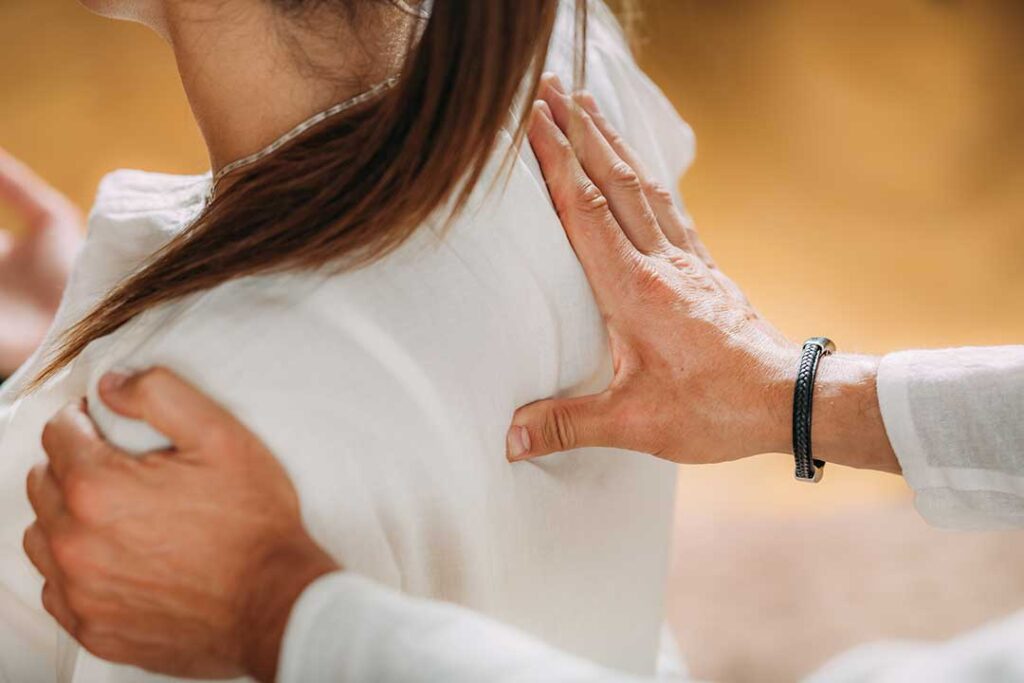
Chronic pain is generally defined as pain lasting longer than three months. It may follow an injury, arthritis, nerve irritation, surgery, or another health condition, but sometimes the original cause is no longer obvious. For residents of Brookhaven, NY, self-care is not about ignoring pain or pushing through it. The goal is to improve movement, sleep, daily function, and confidence while recognizing when additional medical evaluation is needed.
What does effective self-care for chronic pain involve?
Effective self-care usually combines several manageable habits rather than relying on one exercise, treatment, or medication. Pain levels may not disappear completely, but a thoughtful plan can reduce flare-ups and make ordinary activities more manageable.
A useful plan may include:
- Gradual physical activity
- Planned rest and pacing
- Consistent sleep habits
- Heat or cold when appropriate
- Stress-reduction techniques
- Safe lifting and sitting habits
- Tracking symptoms and daily function
The right approach depends on the type of pain, other health conditions, medications, age, and physical abilities. National health guidance emphasizes that chronic pain care often works best when exercise, education, behavioral strategies, and medical treatment are combined rather than used in isolation. ([health.nih.gov](https://health.nih.gov/health-topics-a-z/pain?utm_source=openai))
How can movement help without making pain worse?
Regular movement can help maintain flexibility, muscle strength, circulation, balance, and independence. Remaining completely inactive may lead to stiffness, reduced conditioning, and greater difficulty returning to normal activities.
Start below the level that consistently triggers a flare-up. For example, a person who normally sits for long periods might begin with several short walks around the home, gentle range-of-motion movements, or brief periods of standing. The duration can increase gradually if symptoms return to their usual level afterward.
Low-impact options may include:
- Walking on level ground
- Gentle cycling
- Water-based exercise
- Light strengthening
- Stretching within a comfortable range
- Tai chi or similarly controlled movement
Pain during movement does not always mean damage is occurring, but sharp, rapidly worsening, or unfamiliar pain deserves caution. Avoid sudden increases in distance, weight, repetitions, or intensity. Guidance from a physician or physical therapist may be appropriate before beginning a new exercise routine, particularly after surgery, a fall, or a prolonged period of inactivity. ([health.nih.gov](https://health.nih.gov/health-topics-a-z/pain?utm_source=openai))
What is pacing, and why is it useful?
Pacing means balancing activity and rest so that daily tasks do not repeatedly end in exhaustion or a major pain flare. Many people alternate between doing far too much on a “good” day and resting almost completely on the following day. That cycle can make activity less predictable.
Instead, divide demanding tasks into smaller segments. Examples include:
- Carrying fewer household items at a time
- Sitting briefly during food preparation
- Taking movement breaks during desk work
- Switching positions instead of staying in one posture
- Spreading outdoor chores over several days
- Stopping before symptoms become severe
This can be especially useful during winter conditions, when clearing snow, walking on icy surfaces, or carrying heavier clothing and equipment may place additional demands on the back, shoulders, hips, and knees. Using smaller loads and allowing extra time may reduce strain.
A simple activity diary can help identify patterns. Record sleep, activity, pain intensity, and what helped or worsened symptoms. The purpose is not to monitor every sensation but to find practical connections.
Can heat or cold help chronic pain?
Heat may relax tight muscles and make movement more comfortable. A warm shower, heating pad, or warm compress may be useful before gentle activity. Cold packs can sometimes reduce discomfort after a flare or after activity that has irritated a joint.
Use a cloth barrier between the skin and the heat or cold source. Limit exposure and check the skin regularly. People with reduced sensation, circulation problems, diabetes, or difficulty recognizing temperature changes should ask a healthcare professional about safe use. Heat and cold can provide temporary relief, but they do not identify or treat every cause of persistent pain. ([niams.nih.gov](https://www.niams.nih.gov/health-topics/back-pain/diagnosis-treatment-and-steps-to-take?utm_source=openai))
How do sleep and stress affect chronic pain?
Poor sleep can increase pain sensitivity, fatigue, irritability, and difficulty concentrating. Pain can also interfere with sleep, creating a cycle that is difficult to break. A consistent wake time, a cooler and darker bedroom, and a calming routine before bed may help.
Helpful adjustments include:
- Keeping regular sleep and wake times
- Limiting stimulating screen use before bed
- Avoiding large amounts of caffeine late in the day
- Using pillows to support a comfortable position
- Reserving the bed mainly for sleep
- Practicing slow breathing or progressive muscle relaxation
Stress does not mean pain is imaginary. The nervous system responds to stress, muscle tension, poor sleep, and fear of movement, all of which can influence how strongly pain is experienced. Mindfulness, breathing exercises, cognitive behavioral strategies, and counseling may help some people manage the emotional and physical effects of persistent pain. ([health.nih.gov](https://health.nih.gov/health-topics-a-z/pain?utm_source=openai))
Are over-the-counter pain medicines part of self-care?
Over-the-counter medicines can help some conditions, but they are not automatically safe for everyone. Acetaminophen may affect the liver if taken in excessive amounts or combined with other products containing the same ingredient. Ibuprofen, naproxen, and other anti-inflammatory medicines may pose risks for some people with kidney disease, stomach ulcers, cardiovascular disease, blood-thinning medication use, or certain blood pressure concerns.
Read labels carefully and ask a pharmacist or physician before using these medicines regularly. Avoid combining products without checking their ingredients. Non-medication approaches such as exercise therapy, physical therapy, cognitive behavioral therapy, and other individualized strategies may offer benefits with fewer medication-related risks for some types of chronic pain. ([cdc.gov](https://www.cdc.gov/overdose-prevention/manage-treat-pain/nonopioid-therapies.html?utm_source=openai))
When should persistent pain be medically evaluated?
Self-care should support, not replace, appropriate evaluation. Seek prompt medical attention for pain accompanied by new weakness, progressive numbness, loss of bladder or bowel control, unexplained fever, significant swelling or redness, severe abdominal or chest symptoms, unexplained weight loss, or pain after a serious fall or accident.
For back pain, urgent evaluation is particularly important when symptoms travel into a limb and are accompanied by increasing weakness or changes in bladder or bowel function. New pain that is severe, unusual, or steadily worsening also warrants medical assessment.
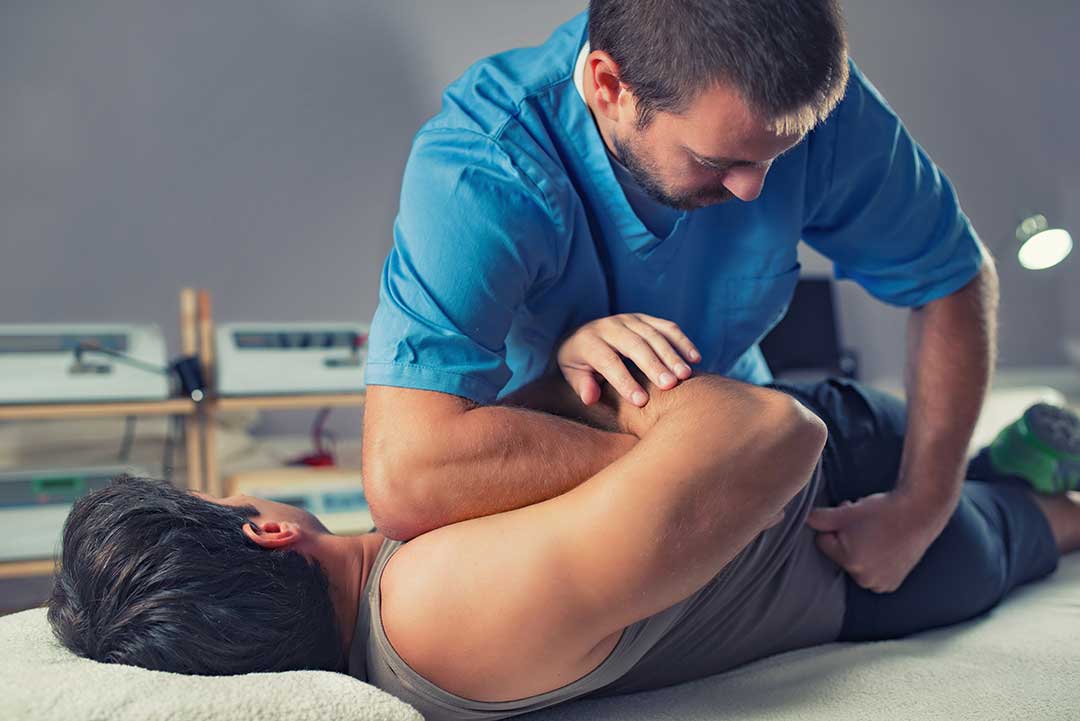
A chiropractor may be one part of a broader care plan for certain musculoskeletal conditions, but persistent pain should first be considered in the context of the person’s full medical history. Coordination with primary care, physical therapy, pain specialists, or other clinicians may be appropriate when symptoms are complex, widespread, neurological, or not improving.
What is a realistic goal for chronic pain management?
A realistic goal may be walking farther, sleeping more consistently, returning to household tasks, or reducing the number of severe flare-ups rather than reaching zero pain immediately. Progress is often uneven. A temporary increase in symptoms does not necessarily mean the overall plan has failed, but repeated worsening suggests that the activity level, technique, or treatment strategy needs adjustment.
The most useful self-care plan is one that can be repeated safely on ordinary days—not only when motivation and energy are high.
